
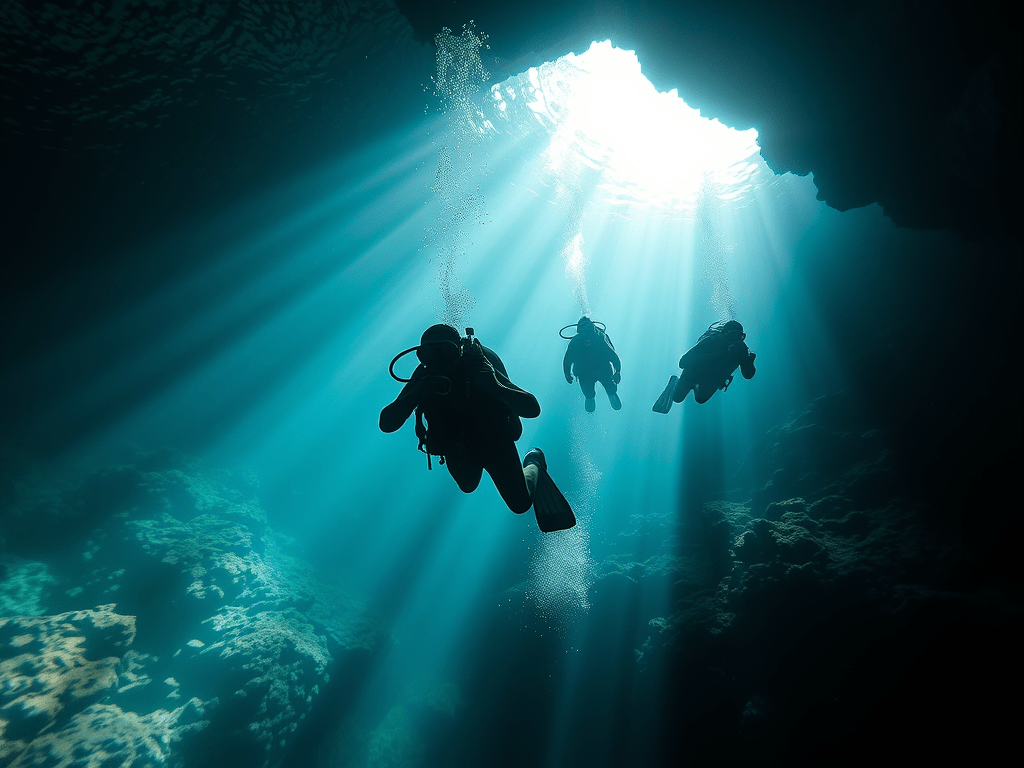
If you’re dreaming of a tropical getaway filled with sun and crystal-clear waters, consider Mexico’s Riviera Maya. This region also promises ancient Mayan ruins and unforgettable diving experiences. This stretch of paradise along the Caribbean coastline offers the perfect blend of relaxation and adventure. From the bustling streets of Cancun to the laid-back vibes of Tulum, there’s something for every type of traveler.
In this guide, I will describe some of the world’s most famous cenote diving spots. These include El Pit, Angelita, Carwash, and Dos Ojos among some of the best. Whether you’re a beach bum, an adventurer, or a culture seeker, this region of Mexico offers endless opportunities for exploration.
Contents
- What is a Cenote?
- Deciding Where to Stay? Cancun, Playa del Carmen, or Tulum?
- Getting to Playa del Carmen from Cancun: Transportation Options
- Epic Diving in the Riviera Maya: Cenotes and Underwater Adventures
- Essential Cenote Camera Gear – YOU NEED TO READ THIS
- Best Dive Shops to Check Out
- Practical Travel Tips for Visiting the Riviera Maya:
What is a Cenote?
Cancun is on the Yucatan Peninsula on the east coast of Mexico famous for its beaches, parties, and cenote caverns. The cenotes formed over thousands of years. As the sea level rose after the last ice age, naturally acidic groundwater seeped into cracks in the rock. This process dissolved the peninsula’s soft limestone bedrock. Over time this process formed large underground caverns and tunnel systems covered by a thin layer of limestone. The limestone roof collapsed due to erosion. This left behind a water-filled cavern. This cavern is often connected underground to other cenotes.
Cenotes provide the peninsula with a source of freshwater, utilized by Mayan civilizations for hundreds of years. The cenotes are freshwater, but deeper caves can have salt water at the bottom initiating a chemical reaction I will talk about later in the post. The cenotes are a diver’s paradise offering a wide variety of depths, fossils, features, and caves. The crystal clear water in the remote jungle is extremely inviting, especially in the warm climate. I would recommend going to a few different cenotes because each one is unique.
Deciding Where to Stay? Cancun, Playa del Carmen, or Tulum?
The entire Yucatan peninsula is rife with cenotes, so you can stay in a variety of places to access them. Personally, I recommend Playa del Carmen. It offers a central location, a variety of dive shops, and access to amenities. It also provides ease of transportation. Although many divers also love staying in Cancun or Tulum, and each destination has their own unique aspects.
1. Cancun: The Heart of the Riviera Maya
Cancun is known for its pristine beaches, upscale resorts, and vibrant nightlife. It is a top destination for travelers. They come to experience the best of the Mexican Caribbean. The Hotel Zone is famous for its all-inclusive resorts and parties. Cancun also offers rich cultural experiences. You can visit the Mayan Museum of Cancun. Alternatively, take a day trip to Chichen Itza, one of the New Seven Wonders of the World. You may need to travel up to an hour to access most of the best scuba diving cenotes. However, Cancun is relatively close to many open air options, which are great for casual recreation.
Best Things to Do in Cancun:
- Relax on the white sand beaches of Playa Delfines.
- Take a boat tour to Isla Mujeres and explore its crystal-clear waters and vibrant marine life.
- Visit the Mayan ruins of El Rey for a glimpse into the region’s ancient past.
- Enjoy world-class shopping and dining at La Isla Shopping Village and Avenida Tulum.
2. Playa del Carmen: A Trendy Beach Town
Just a short drive from Cancun and the airport, Playa del Carmen is a lively town with a more relaxed atmosphere. Known for its 5th Avenue pedestrian street, Playa del Carmen offers plenty of shopping, dining, and entertainment options. The beach here is ideal for swimming, sunbathing, and enjoying the stunning views of the Caribbean Sea.
I stay in Playa every time I dive the cenotes because I have fallen in love with its atmosphere and the ease of access to everything scuba diving. Getting here is easy with the ADO bus direct from the Cancun International Airport straight to town center. You can book your tickets ahead of time or when you arrive.
Travel Tip: I recommend booking ADO bus tickets online for your trip. This ensures you have seats and prevents any unforeseen circumstances.
Best Things to Do in Playa del Carmen:
- Stroll along 5th Avenue for unique boutiques, cafes, and street performances.
- Discover Xcaret or Xel-Há eco-parks for an immersive experience with nature and wildlife.
- Use the Resort Pass app to book a day at an all inclusive resort to enjoy luxury amenities.
- Take a ferry ride to Cozumel for exceptional diving and snorkeling.
3. Tulum: The Bohemian Paradise
Tulum is the ultimate escape for those looking for a serene and bohemian atmosphere. Known for its eco-friendly resorts, stunning beaches, and the iconic Tulum ruins, this laid-back town has become a hotspot for yoga retreats and wellness tourism. The ruins, perched above the turquoise waters of the Caribbean, offer breathtaking views and a glimpse into Mexico’s rich history. The only reason I would avoid staying here is because of a lack of infrastructure, amenities, and location to cenotes and activities.
Tulum is one of the fastest growing cities in the world and I think in 5 years it will be a mecca for international tourists looking to secure great cenote diving. As of right now, many of the properties you see listed online have ongoing issues. They continually deal with power outages, lack of running water, and bad service. The quality of stay is often lesser compared to Cancun or Playa del Carmen offerings. It is also much further from the Cancun airport and there that needs to be accounted for during travel days.
Best Things to Do in Tulum:
- Explore the Tulum Ruins, one of the most well-preserved Mayan coastal sites.
- Unwind at the secluded beaches of Playa Paraiso or Ziggy Beach.
- Visit Cenote Dos Ojos and Cenote Azul for a refreshing dip in Mexico’s famous freshwater caves.
Getting to Playa del Carmen from Cancun: Transportation Options
Traveling from Cancun to Playa del Carmen is straightforward, with several transportation options to suit different preferences and budgets. The journey covers approximately 55 kilometers (34 miles) and typically takes around 50 to 60 minutes, depending on traffic and chosen mode of transport.
1. ADO Bus Service (Best for Budget and Ease)
The ADO bus company offers frequent, reliable, and comfortable services between Cancun and Playa del Carmen. Buses depart from various locations, including Cancun International Airport and the downtown ADO bus station. Tickets cost approximately 240 pesos (about $12 USD) and can be purchased at the station or online. Buses are equipped with air conditioning and restrooms, providing a convenient option for travelers.
2. Private Transfers and Shuttles (Best for convenience)
For a more personalized experience, private transfers are available and can be booked in advance. Companies like USA Transfers offer door-to-door service from Cancun Airport to Playa del Carmen hotels, condos, and private residences. Prices vary depending on the provider and vehicle type but generally start around $55 USD per vehicle.
3. Taxi Services (Best for convenience)
Taxis are readily available at Cancun Airport and throughout the city. A taxi ride from the airport to Playa del Carmen typically costs between $70 and $87 USD. Prices vary based on your exact destination. Negotiation can affect the fare too. It’s advisable to confirm the fare before starting your journey. Cancun Airport Transportation
4. Car Rentals (Best for Flexibility)
Renting a car provides flexibility for travelers wishing to explore the region at their own pace. Major car rental companies operate at Cancun Airport, offering a range of vehicles. However, be aware of local driving conditions and parking availability in Playa del Carmen.
5. Future: Tren Maya (Maya Train)
The Tren Maya is an inter-city railway project. It aims to connect various destinations across the Yucatán Peninsula. These destinations include Cancun and Playa del Carmen. As of December 2024, the section between Cancun Airport and Playa del Carmen is operational. This offers an alternative and scenic route between the two cities. The train departs from the Cancun Airport railway station, located near Terminal 4, and arrives at the Playa del Carmen station. For the latest schedules and ticket information, visit the official Tren Maya website.
Epic Diving in the Riviera Maya: Cenotes and Underwater Adventures
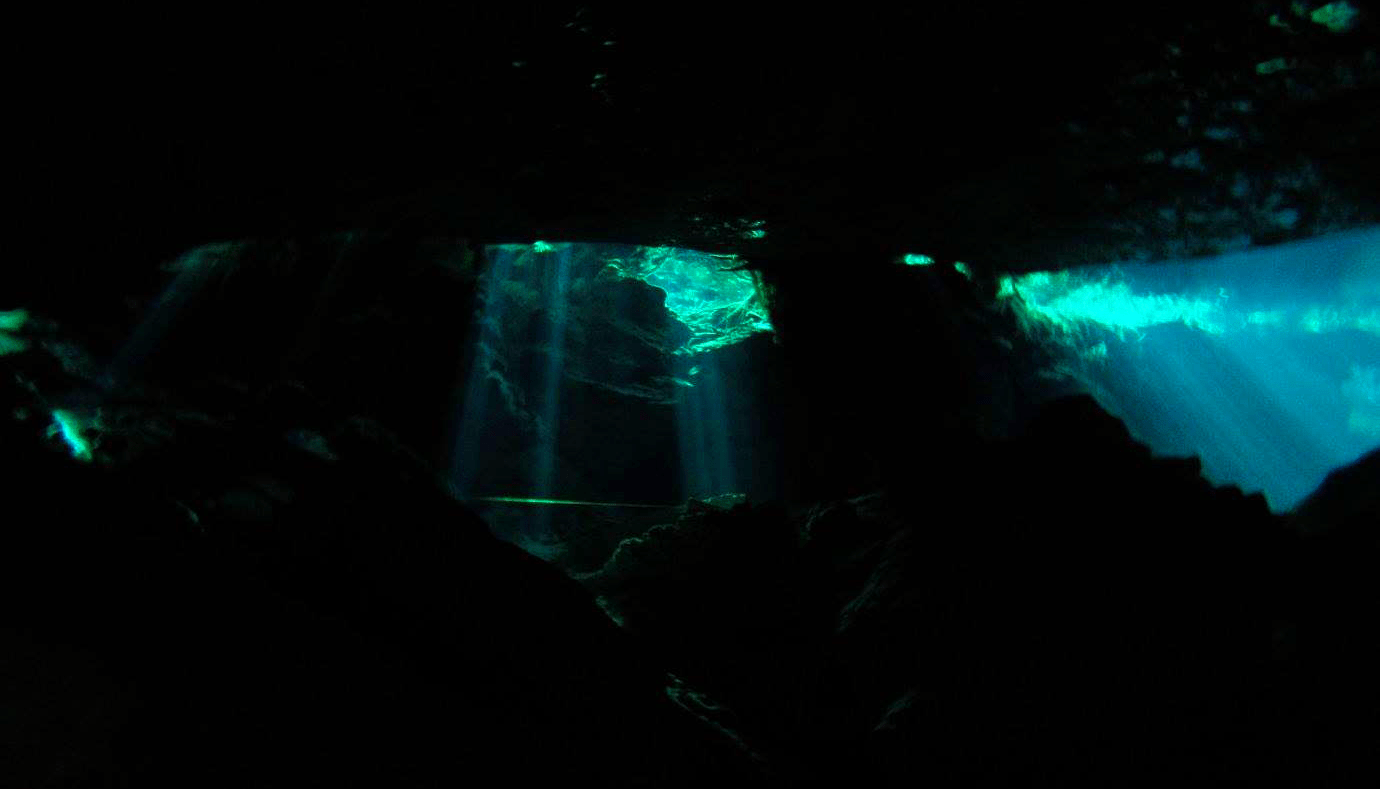
For divers, the Riviera Maya is a dream come true, offering some of the most beautiful and unique underwater landscapes in the world. Cenotes, natural limestone sinkholes filled with crystal-clear water, are scattered throughout the region, creating an otherworldly experience for divers.
Diving in El Pit
Located near Tulum, El Pit is one of the most famous cenotes for diving in Mexico. This deep, collapsed sinkhole offers divers a chance to explore the stunning underwater world. It features a variety of stalactites, stalagmites, and fresh-water fish. The water is crystal clear, and the dive reaches depths of up to 40 meters, making it suitable for advanced divers.
This is one of my top 5 favorite dives of all time! It is truly an otherworldly experience. The cavern sprawls out in every direction beneath you as you descend. The name ‘El Pit’ perfectly describes the shape of this cenote. You have an incredible amount of space between dive groups. As you ascend, bubbles from divers below gather on the ceiling of the cenote. They move toward the exit, creating a dramatic wall of bubbles.
Diving in Angelita
Angelita is another must-visit cenote for experienced divers. Angelita is known for its eerie “halocline” effect. This is where fresh water meets saltwater, creating a mystical fog-like layer. It offers one of the most surreal dive experiences in the world. The cenote is surrounded by lush jungle. The dive reaches depths of up to 60 meters, showcasing an incredible underwater landscape.
The descent starts in an open pool. It goes straight down into various layers of murky and clear water. You continue until you reach the halocline. This section of the cenote is why it is so popular and it is an amazing site to explore. Angelita is also popular with free divers who like to dive down lines and perch on the submerged tree branches in the center of the cavern.
Travel Tip: Try to avoid this cenote after periods of heavy rain which can upset the halocline and disturb the clarity of the water layers.
Diving in Dreamgate
The Dreamgate Cenote is one of the Riviera Maya’s lesser-known but incredibly stunning cenotes, offering divers a unique and surreal experience. This is an advanced dive near Tulum, known for its ethereal beauty and twisting caverns.
Travel Tip: You must prove your diving skills in other cenotes. Only then will a dive shop take you to this cenote due to its technicality.
What makes Dreamgate particularly special is its serene atmosphere. The water is almost translucent, and the light filtering through the foliage above creates a magical effect, casting ethereal reflections on the cave walls. The cenote is part of a larger network of underground rivers, with some passages still unexplored, making it a captivating destination for those seeking both adventure and tranquility. This is the most cave like diving you will get exploring cenotes. It really feels like you are far way from the surface as you twist through the tight passages lined with stone structures.
Diving in Carwash (Aktun Ha)
A more accessible dive site, Carwash (also known as Aktun Ha) is perfect for both beginner and advanced divers. The cenote is known for its unique formations and crystal-clear water. Divers can explore the narrow passageways, swim among stalactites, and even spot fish and turtles. Carwash is also famous for its underwater vegetation, making it a visually stunning dive location.
This was a cenote recommended to me by other local divers and I quickly saw why once we entered the caverns. The cenote is unique compared to others in the region due to its lush vegetation, aquatic life, and light penetration. The open air environment provides excellent conditions for dive videos and photos. The extensive cavern network inside offers a perfect balance between exploration and intrigue.
Diving in Dos Ojos
Dos Ojos is one of the most famous cenotes in the Riviera Maya, known for its intricate labyrinth of underwater caves. This cenote is great for both beginner and experienced divers. It offers multiple dive routes. These include the well-known “Bat Cave” and “The Barbie Line.” The water is incredibly clear, allowing divers to explore the extensive cave system with ease. Dos Ojos is also home to various aquatic species, making it a thrilling and educational dive.
Chac Mool
My first introduction to cenote diving, and can you tell I was hooked? This popular beginners level cenote is about 40 minutes drive into the jungle from Playa del Carmen. The cenote has a maximum depth of 45 feet and three separate rooms to explore. We suited up and walked to the entrance down a cement walkway leading to a dive ladder and open pool.
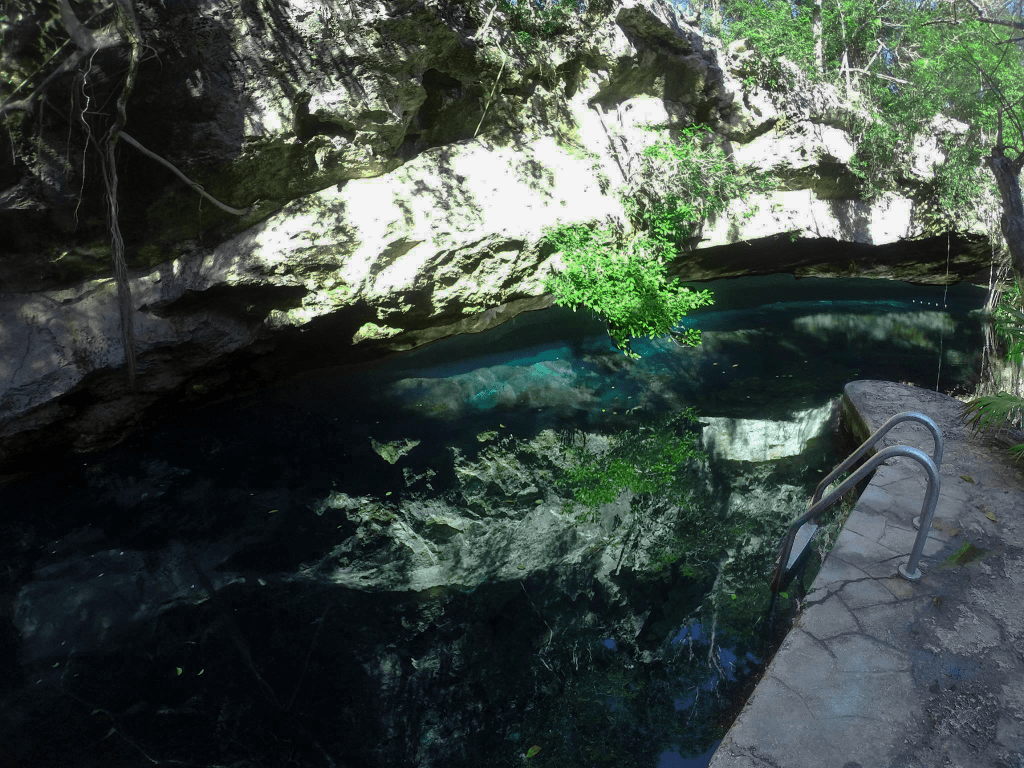
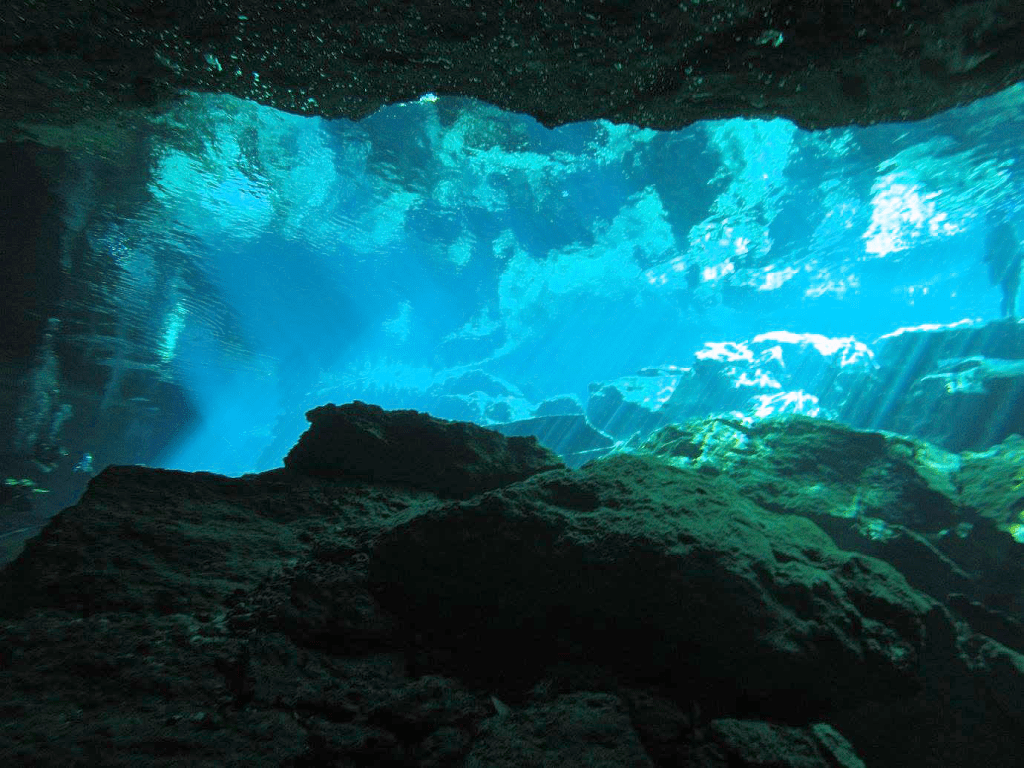
The lighting in this cenote is quite a spectacular shade of turqoise blue. The main room is cascading with light rays that echo throughout the expansive cavern. Away from the main room divers must rely on their flashlights as there are pitch black sections.
The back of this cenote has a second entrance marked by a submerged tree stump. The overlying algae and plant deposits sometimes cast a greenish, yellowish hue to the water on this side. The final room of the cenote dive has an open air pocket you can surface and remove you regulator in. Some cenotes have similar structures. The air inside may be toxic without sufficient circulation to an outside source.
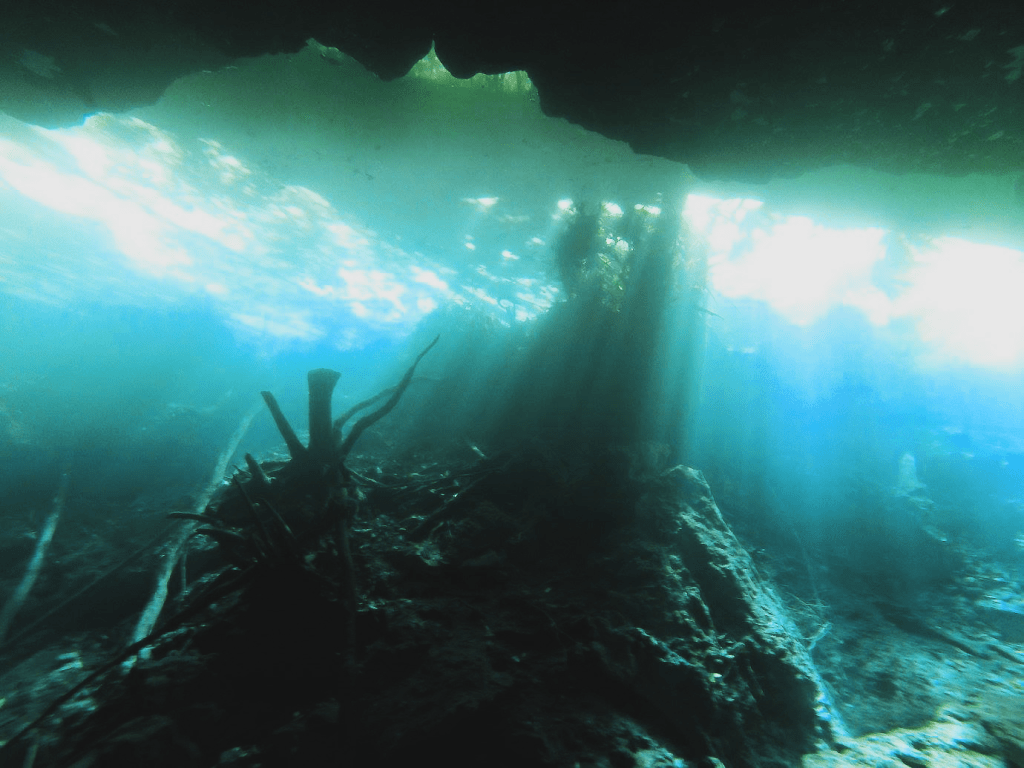
Kukulkan
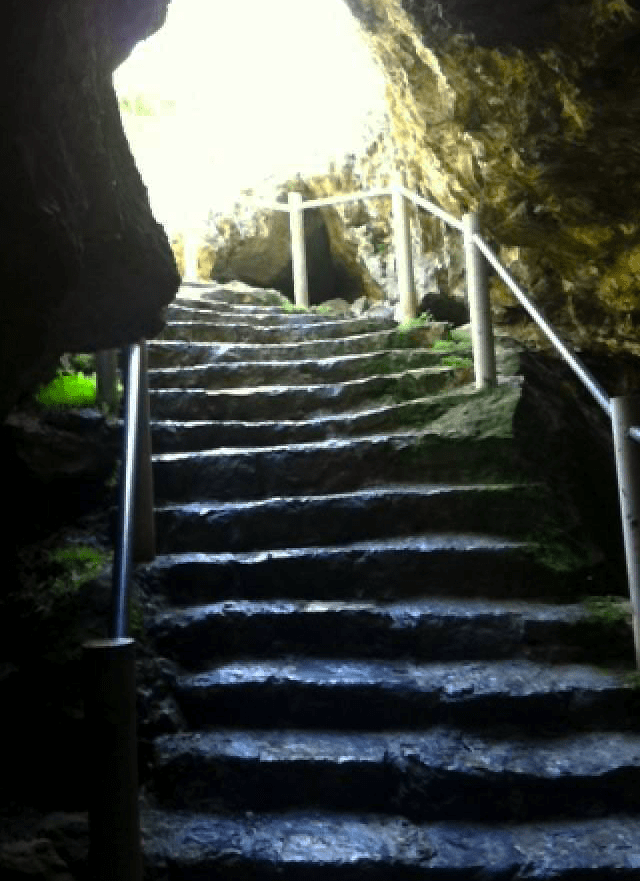
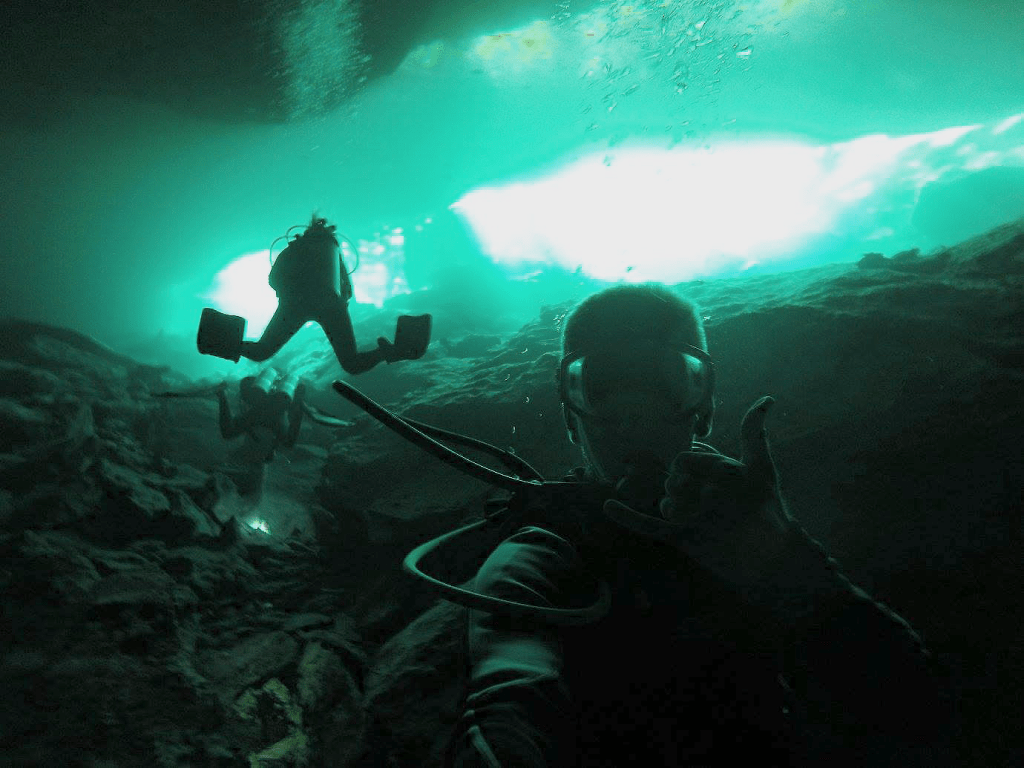
The second dive we picked was also a maximum of 45 foot into a cenote called Kukulkan. Access by a steep flight of stairs into an underground cave.
Deeper sections of the cenote have areas with a halocline, where salt water from the ocean meets freshwater. The peculiar aspect of this phenomenon when diving is fascinating. In the saltwater portion, it looks as if you are reaching the water’s surface. This happens as you ascend into the freshwater layer.
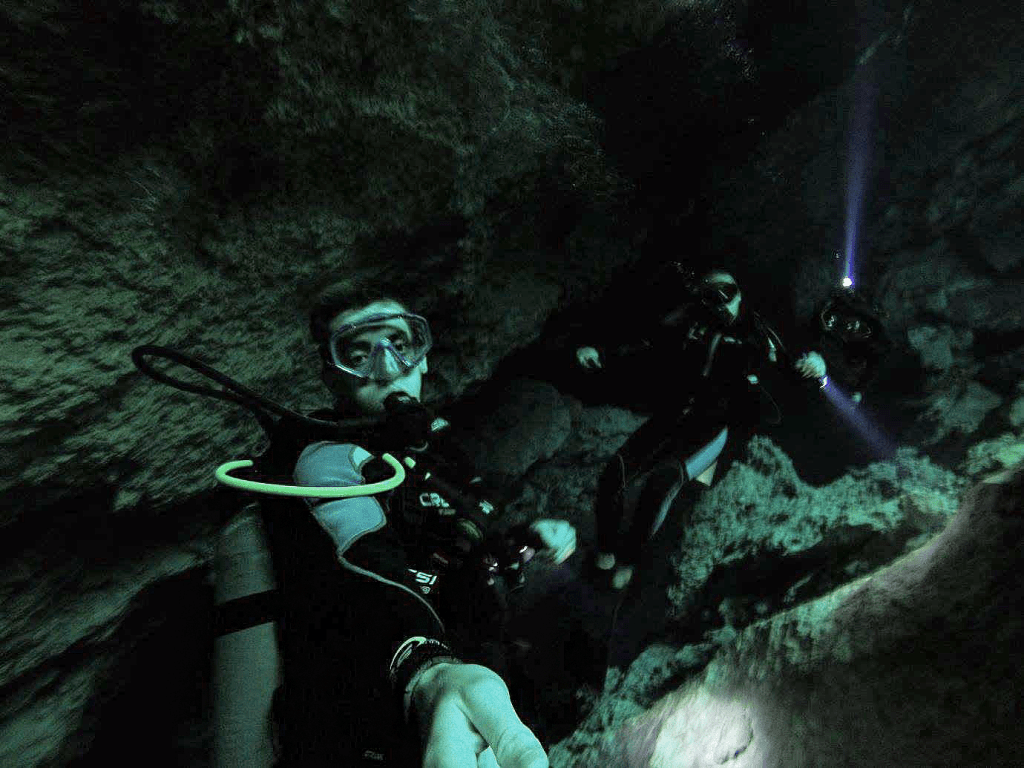
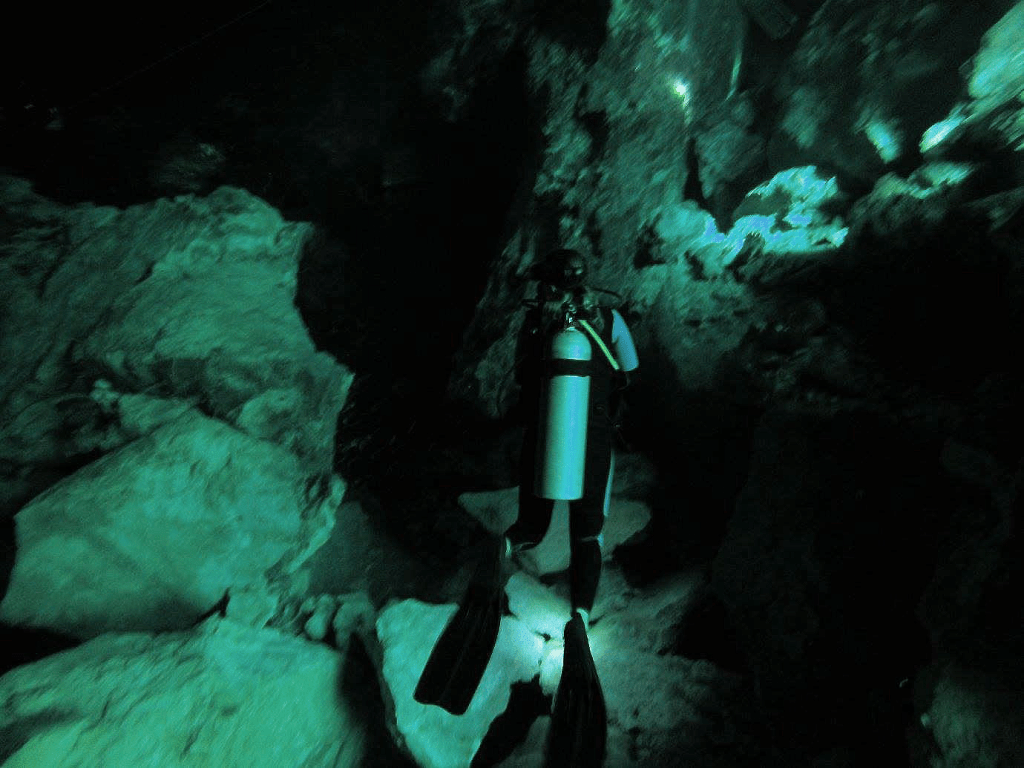
Another cool thing I noticed about the halocline section was the salt water layer. When I was in it, anyone above me in the fresh water section looked like they were flying. It really messed with your eyes. I could see how easily someone could become disoriented or panicked diving at greater depths. If you want to film the halocline, you should have a camera that performs well in low lighting. The same applies if you want to take pictures. Examples include the DJI Action Camera. Cenote haloclines are only in the deep and dark sections.
Travel Tip: El Pit, Angelita, Kukulkan, are known to have halocline sections.
Essential Cenote Camera Gear – YOU NEED TO READ THIS
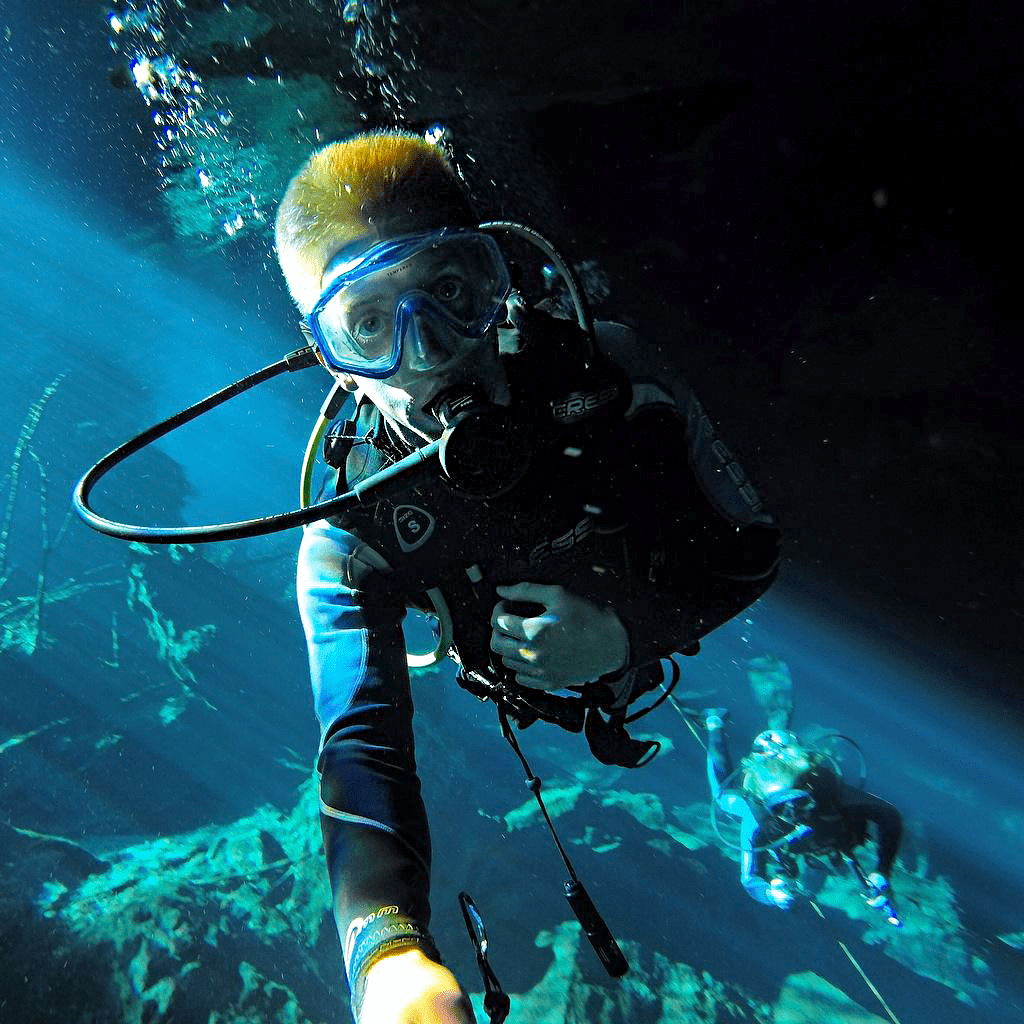
Taking photos and videos inside of a cenote is much different than your normal open water dives. In many situations you are dealing with low light, reduced water visibility, and cold temperatures. I have the best recommendations. These ensure you get the best quality images on your dive. This advice is based on the many dives and gear I have tested out.
- DJI Action Camera (Best for low light)
Newer to the market the DJI action cameras are quickly becoming one of my favorite adventure essentials. This camera did an outstanding job of preserving quality and color of subjects in low light conditions. The footage was never grainy, out of focus, or shaky. The RAW files also allow you to edit the footage easier and at a higher export quality than other cameras. I did prefer the GoPro’s specs in open light conditions where there were many saturated colors. You can add the colors back in to the DJI footage in post production editing.
- GoPro (Best for open conditions)
GoPro is a leading provider of some of the best action and dive cameras on the consumer market. My GoPro is 9-out-of-10 times the my go-to option for shooting my adventure content. The camera and its underwater housing perform excellently in open cavern cenotes. These include areas with ample light and significant light rays and colors. The only area is fails is low light, dark areas, and subjects with significant movement. I found that in these areas of the cenotes, the GoPro footage was grainy. It was out of focus. The footage was low quality compared to other cameras.
Best Dive Shops to Check Out
Practical Travel Tips for Visiting the Riviera Maya:
- Best Time to Visit: The best time to visit Cancun, Playa del Carmen, and Tulum is during the dry season. This period runs from December to April. This is when the weather is most pleasant and the chances of rain are minimal.
- Transportation: Rent a car to explore the Riviera Maya at your own pace. The region is well-connected by highways, and you’ll need a car to reach places like Tulum and the cenotes.
- Safety Tips: While the Riviera Maya is generally safe, it’s always good to take precautions. Avoid walking alone at night in poorly lit areas and be cautious with your belongings.
- Currency: The local currency is the Mexican Peso (MXN), but US dollars are widely accepted in most tourist areas.
- Language: Spanish is the official language. However, English is commonly spoken in tourist areas like Cancun, Playa del Carmen, and Tulum.
Tags
- Riviera Maya travel guide
- Cancun travel tips
- Tulum travel guide
- Cenote diving Mexico
- El Pit cenote diving
- Angelita cenote diving
- Carwash cenote diving
- Dos Ojos cenote diving
- Things to do in Playa del Carmen
- Mexico diving destinations
IMAGE GALLERY




Leave a comment