
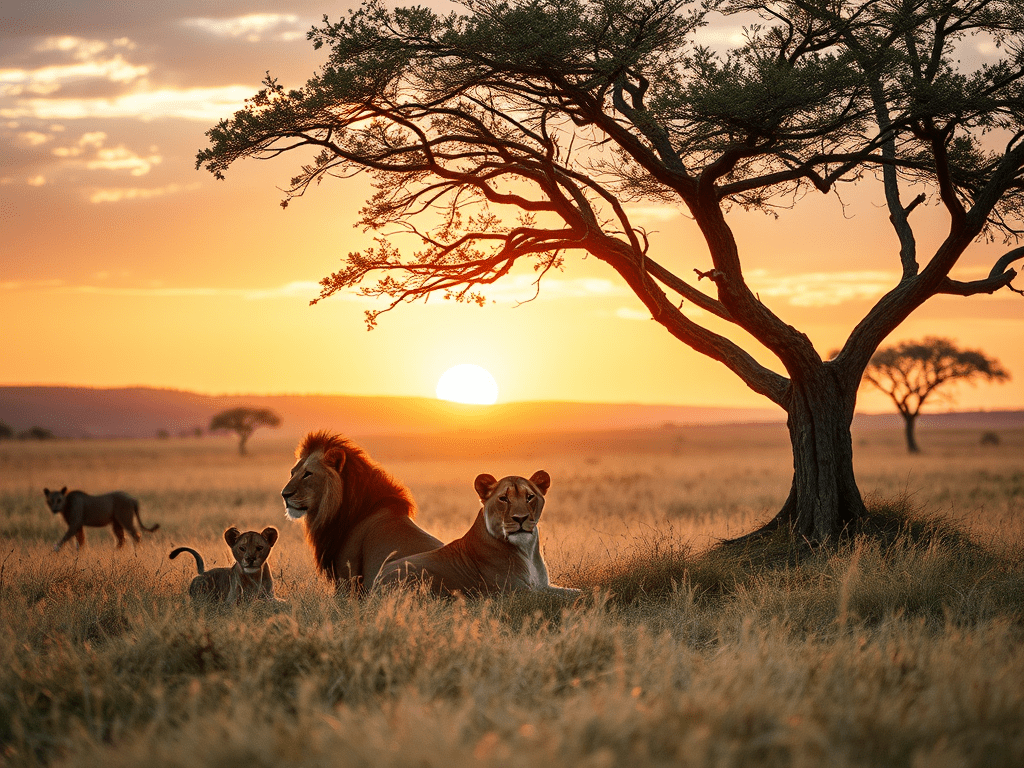
An African safari is a bucket-list experience and the amazing chance to see some of Earth’s most charismatic wildlife. I spent 2 months on safari in South Africa and compiled everything you need to know in this guide. These tips will ensure your safari is safe, enjoyable, and awe-inspiring.

1. Choosing the Right Safari Destination
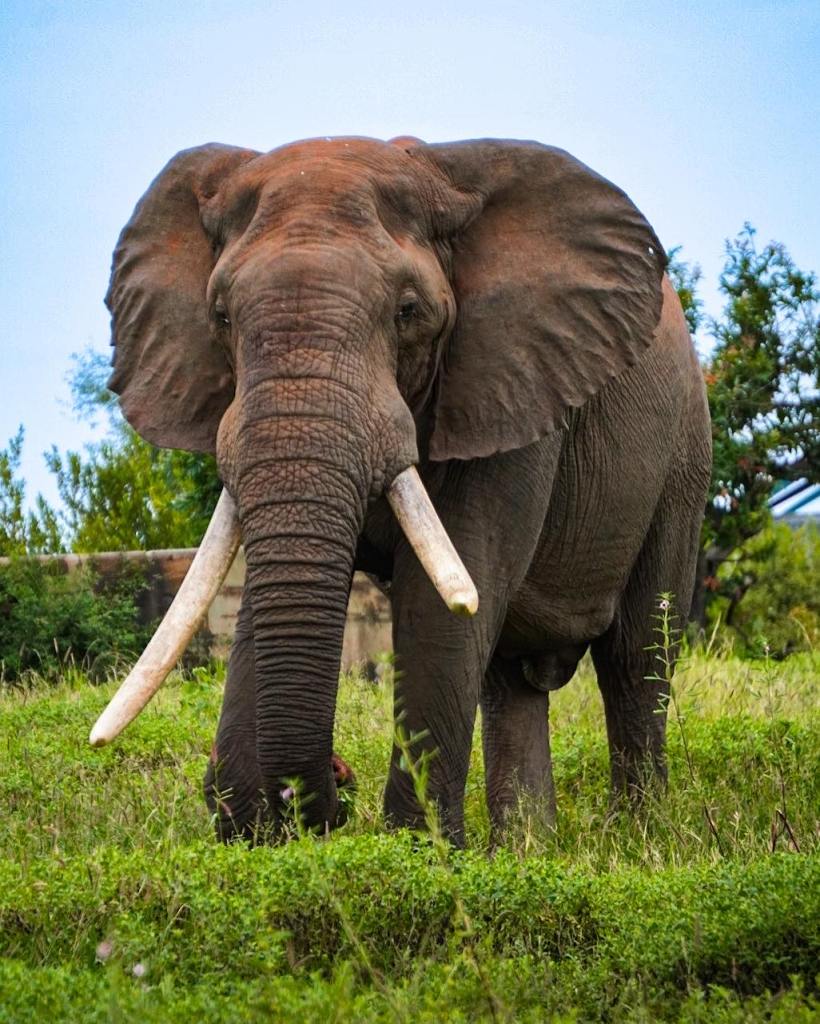
Africa is a major continent. There are many countries that host the Big 5. These countries also feature many other unique animals to include on your safari bucket list. The first step in planning your safari is choosing the right destination. This choice depends on what you want to see. It also depends on the time of year you are traveling and your budget.
- South Africa (Best for cost): Known for Kruger National Park, and ideal for first-time safari-goers. You can expect diverse landscapes, abundant wildlife, and excellent infrastructure. The best time to visit is between May and October. Also consider April and November. This is the shoulder season where you can often find great deals on lodging and activities.
- Kenya (Best for wildlife): The Maasai Mara is famous for the Great Migration. During this, millions of wildebeest and zebras move through the plains. Expect thrilling predator-prey interactions and expansive savannahs. The region has experienced significant cost increases in recent years. As a result, any trip may be on the higher end of your budget or even completely outside of it.
- Tanzania (Cost alternative to Kenya): The Serengeti and Ngorongoro Crater offer dramatic landscapes and vast wildlife viewing opportunities. Expect less crowded parks and up-close animal experiences. This is a great alternative to the rapidly increasing cost and overcrowding you may experience in Kenya.
- Botswana: The Okavango Delta provides a unique water-based safari experience, ideal for bird watching and canoe safaris. Expect tranquil, remote experiences. These safaris are expensive. However, if you visit at the right time of the year, the reward will be priceless. The best time to visit is early in the summer or spring when the delta has flooded.


Tip: The best season to visit most of Africa is the dry season (May to October). This season offers the best animal viewing. Animals gather near waterholes. There is less vegetation. This makes sightings easier. Alternatively you can align your trip to overlap popular migrations.
2. What to Pack for an African Safari
Safari packing is about practicality and safety. You probably have almost everything you need, so you do not have to invest in an entirely new wardrobe. Here’s a list of essentials to pack:
- Clothing: Think neutral-colored clothes to blend in with the environment and avoid attracting insects. Avoid bright colors and camouflage style clothing (some countries have laws against this).
- Footwear: Sturdy walking shoes or boots are essential for safari walks, and flip-flops for the evenings. I use my trusty Palladium hiking boots.
- Sun Protection: Sunglasses, hats, and high SPF reef-safe sunscreen are critical for long hours in the sun.
- Bug Repellent: Malaria is present in some regions, (consult a health professional for advise). Insect repellent with DEET is essential for protection against bites.
- Camera: A good camera with a zoom lens is perfect for capturing wildlife up close. Here is the camera gear I use on safari! 📷
- Binoculars: A must-have for spotting distant animals.
- Other Essentials: A water-proof jacket, small backpack, and a good-quality water bottle.
3. What to Expect on Safari Game Drives
- Safari Vehicles: Most game drives take place in open-air safari vehicles, providing unobstructed views of wildlife. Be prepared for bumpy, dusty rides, and always stay seated for safety.
- Guides and Rangers: Safari guides are knowledgeable experts who know animal behavior and will ensure you have the best chance of spotting wildlife. Listen to their advice and follow their instructions for the best experience.
- Wildlife Spotting: You are never guaranteed sightings, but part of a safari is finding and tracking the animals.
4. Stay Safe on Your Safari
- Stay in the Vehicle: While it may be tempting to jump out for a better photo, always stay inside the vehicle. These are all wild and hungry animals.
- Listen to Your Guide: Follow your guide’s instructions to maximize your experience with the wildlife.
- Stay Hydrated: Safari conditions can be hot, so drink plenty of water, especially if you’re visiting arid regions.
- Weather: Always bring your rain jacket and a dry bag for your electronics. It always has a chance of raining.

5. Best Safari Experiences to Try
Choosing a Safari is going to determine the kind of experience you have. There are many options and each have advantages and disadvantages.
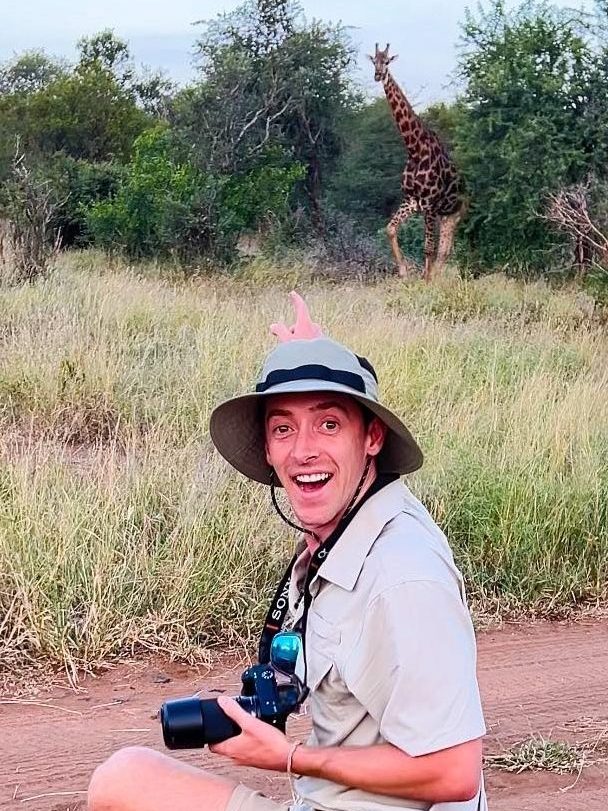
- Driving Safaris (best for time and cost): Your classic driving safari with the opportunity and comfort of observing wildlife from a vehicle. This option covers more ground during drives, optimizing the quantity and variety of wildlife you can potentially see.
- Walking Safaris (best for longer trips, or in addition to a drive): A thrilling opportunity to explore the bush on foot with a trained guide. You’ll learn about tracks, plants, and smaller wildlife that often go unnoticed. Being on foot with the wildlife awakens your senses and envelopes you in the environment, providing a different kind of rush.
- Hot Air Balloon Safaris: Take your safari to the next level with a sunrise hot air balloon ride. From up above, you’ll get a bird’s-eye view of wildlife in their natural habitats.
- Night Safaris: Go on a night safari to see nocturnal wildlife like owls, hyenas, and leopards. Nighttime offers a different perspective of wildlife and some of the most amazing star gazing opportunities on our planet.
6. Respect for the Environment
- Conservation Efforts: Many safari lodges contribute to wildlife conservation and work with local communities to protect endangered species. You can look into volunteer opportunities for longer durations or contribute to conservation funds during your vacation.
- Leave No Trace and be mindful of your impact on the environment.
- Eco-Friendly Lodging: Choose eco-friendly safari camps or lodges that prioritize sustainability and environmental responsibility.
Embarking on an African safari is an adventure like no other, and one that everyone should do before they die. Each region of Africa offers unique encounters, beautiful landscapes, and unforgettable memories.
Remember to use my guide to pack smart, find the type of safari that most interests you, and design your dream African adventure!
>> Subscribe for my Budget Backpacker’s Guide to an African Safari <<
Tags
- African Safari tips
- What to expect on African safari
- Best African safari destinations
- Kruger National Park safari
- Maasai Mara safari
- Serengeti safari
- Safari packing essentials
- African safari packing list
- Wildlife safari guide
- Best safari experiences in Africa
- African safari travel tips
- Safari game drives
- Walking safaris in Africa
- Eco-friendly safari




Leave a comment